

What connection really looks like: relationships are more than flowers on Valentine’s Day
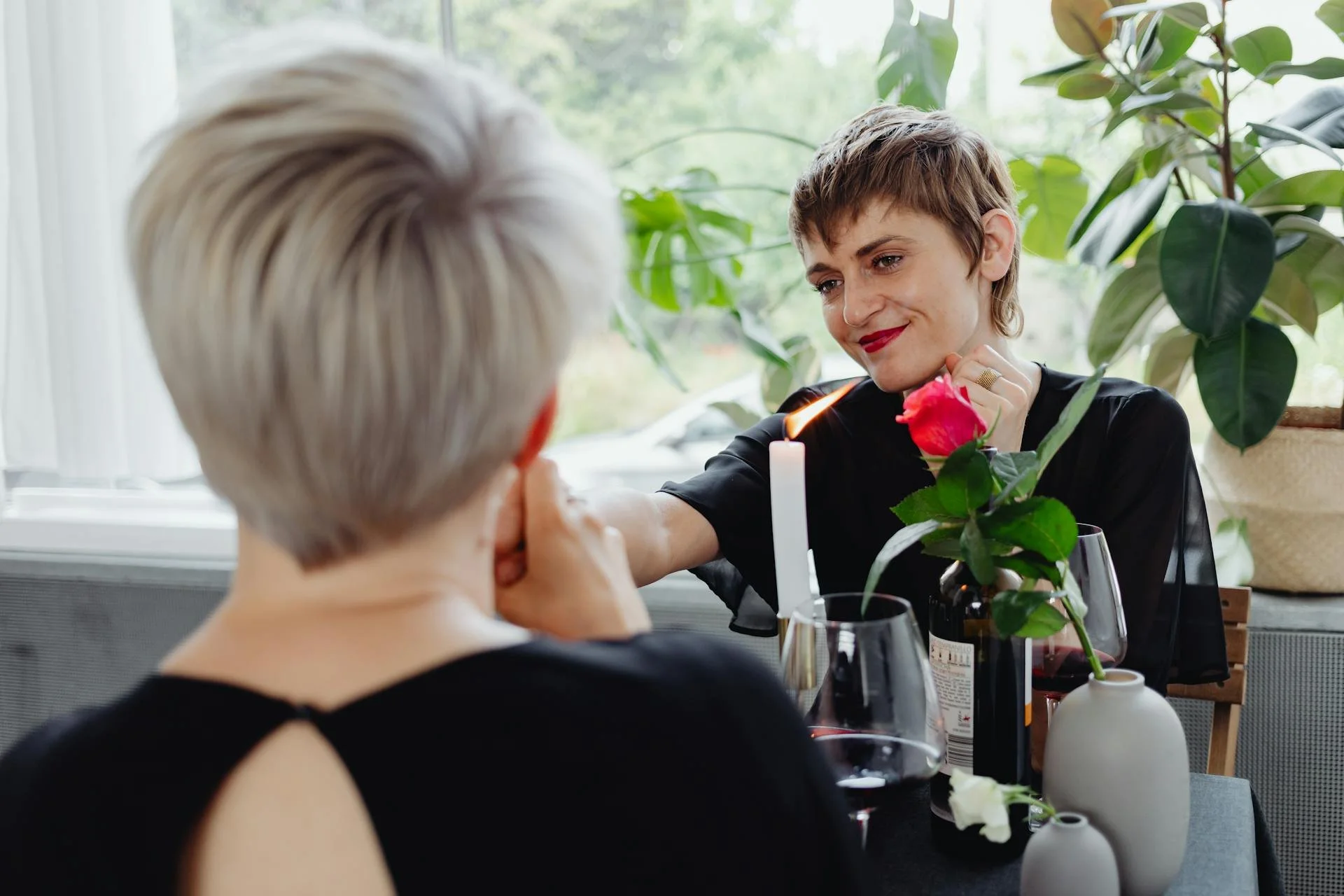
When we think about connection, it's easy to picture Valentine's Day - red roses, heart-shaped cards or carefully chosen gifts. But real connection is messier and more meaningful than this. It creates stronger relationships than gestures or so-called perfect moments.
Connection between couples (or our friends and families) shows up in how we listen when someone's had a terrible day, staying curious rather than defensive, and choosing to repair after a misunderstanding.
Being emotionally present
At its core, connection is about being emotionally present - the feeling that someone is with us, not just physically in the room, but genuinely tuned in. This might be a partner who notices our mood shifts, a friend who checks in without being asked, or a family member who makes space for difficult conversations rather than brushing them aside. These small acts matter more than we often realise. Learning to recognise - and ask for - this kind of presence isn't always instinctive, but it can be developed.
Make space for honesty
Connection also involves being known. Many people are surrounded by others yet still feel lonely, because parts of themselves remain unseen or unheard. Sometimes a past hurt, a fear of conflict or rejection, or worries about upsetting the relationship can make openness feel risky. And in some cases it’s not safe to be honest with a partner when openness could lead to harm, retaliation, or loss of safety rather than understanding or care.
Healthy relationships acknowledge difficulties and create space for honesty - not just about our successes, but also our fears and doubts. As in the counselling room, being able to be vulnerable and feel met with understanding rather than judgement is a powerful form of closeness.
Make time for connection
Prioritising connection also requires effort and intention. Over time, routines, stress and competing demands can push relationships to the background. Work, parenting, health worries or financial pressures can quietly erode the time and emotional energy available for one another as a couple. Staying connected often means making small but deliberate choices - putting phones down, checking assumptions, making time to talk, or seeking professional support when patterns feel stuck, whether that’s online or in-person therapy.
Not just romantic relationships
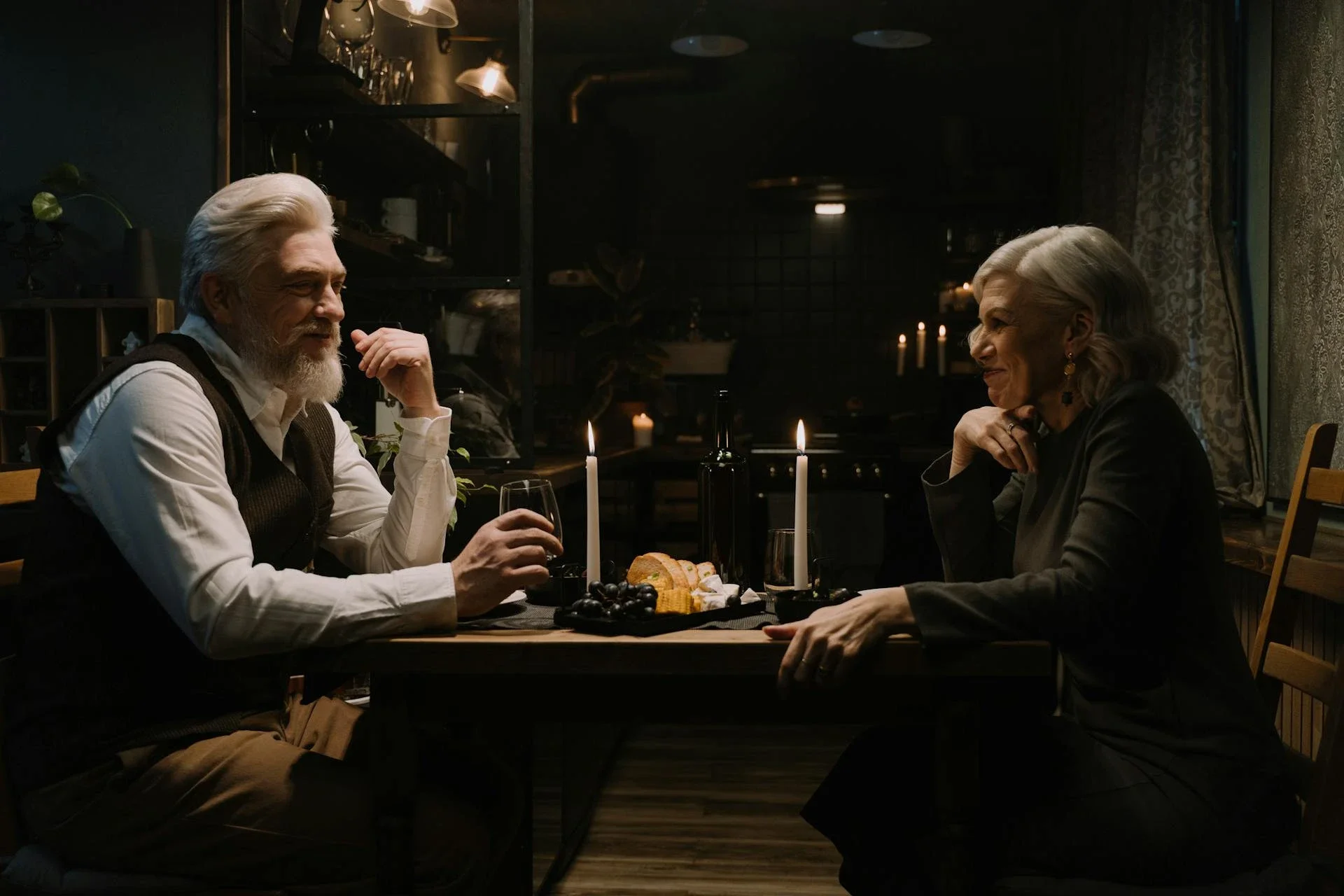
And connection isn’t limited to romantic relationships. We experience it with friends, family members, colleagues and communities. Whether you're navigating relationship issues in your marriage, working through intimacy concerns, or addressing communication patterns across generations, feeling connected to others plays a crucial role in our mental and physical wellbeing.
So perhaps this Valentine’s Day, connection looks less like flowers, and more like listening. True connection doesn't need a grand declaration. It’s built in the quiet moments of feeling seen, supported, and understood - all year round.
Connection through relationship counselling
Connection doesn't have to be broken before it's worth strengthening. Taking the first step now can prevent a small distance from becoming a lasting disconnection. Whether you're looking for couples therapy, sex therapy or family therapy in Bristol, Bath or online, contact us to find out how we can help.